 6 minutes
Overtraining: The Trap of “Always Wanting to Do More”





More weekly workouts, more weight lifted, more kilometers run: sometimes we think that the more we do, the more we improve. It works… up to a point. But sometimes, that same logic backfires. That’s when we talk about overtraining. Is there really a risk to “too much” training? Spoiler alert: yes, and it can affect beginners just as much as Olympic athletes. When do we say someone is overtraining? How can you avoid it? Let’s take a closer look.
Overtraining can result from excessive strength training, endurance training, or physical activity in general, but also from a traumatic event, significant stress, or illness1. And not everyone handles this strain in the same way: age, gender, hormones, genetics, sleep, and diet all affect a person’s ability to recover.
Are you getting enough sleep, and is it good quality sleep? Most people answer “no” to both questions. The artificial light from screens in the evening delays the onset of sleep2.On the other hand, scrolling through social media in bed overstimulates the brain, preventing it from entering deep, REM3 sleep. The result: less progress in training, sometimes overtraining, and more injuries45.
When it comes to nutritional fuel, it’s the same blind spot. Many people underestimate their needs for energy, protein, vitamins, and minerals, which limits recovery67. This isn’t a call to pile on the supplements, but a warning: if you have one or more deficiencies, you won’t make progress until they’re corrected.
You may notice a higher-than-usual resting heart rate that also takes longer to return to normal after exercise8, higher levels of perceived stress, increased emotional sensitivity9, pain that returns for no apparent reason, a longer recovery time after a hard workout, and lingering muscle soreness1. You feel aches and pains all over and get sick more often10. On its own, a single sign might simply be the result of a tough week, a bad night’s sleep, or a cold. However, if you’re experiencing a combination of these signs and they persist, it could be a sign of overtraining, and it’s time to act.
Athletes should aim for at least 7 hours of quality sleep, turning off screens 30 to 60 minutes before bedtime11. As a reminder, just one night of insufficient sleep can reduce muscle protein synthesis by 18%12.
In the morning, going for a walk in natural light helps synchronize your internal clock, melatonin, and cortisol1314, rather than reaching for your phone right away. Also, take 5 to 10 minutes each day, away from light and noise, to do breathing exercises or cardiac coherence exercises. This speeds up your recovery after exercise15.
Remember that it’s on the off days that you build muscle, lose fat, and improve your endurance or VO2 max. So be sure to schedule at least one rest day per week. That’s the bare minimum, which varies from person to person. Also, make sure your diet meets your nutritional needs; otherwise, rest alone won’t be enough. During a workout, if you’re tired, it’s always better to do less than more16. This will prevent weeks or months of plateauing later.
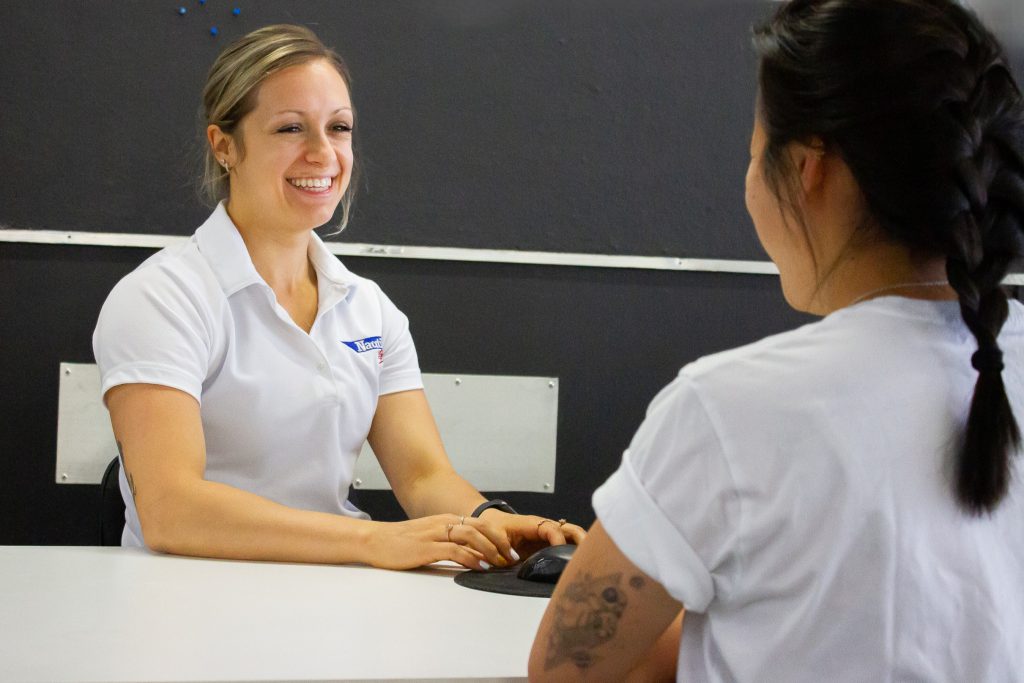
Recovery can take anywhere from a few days for a mild burnout to several months for severe overtraining¹. It’s hard to see it coming, and even harder to get through it once you’re in that situation. So be proactive and listen to your body. Ego and the pressure to “never give up” can sometimes cloud your judgment. No one can take a truly neutral and impartial view of their own fatigue, and some people respond to exhaustion with… more training. This is precisely where consulting a kinesiologist makes all the difference: it’s our job. We can observe, test, and adjust before things get out of hand.
That said, let’s remember that exercise remains a powerful ally in improving our health and quality of life. Most of us need a lot more movement and physical activity in our lives.
Overtraining is more likely to affect athletes than “the average person.” However, beginners can also fall into the trap of believing that doing more will be more beneficial. So, stay attuned to the signals your body is sending you, and when in doubt, make sure to consult your kinesiologist. Book an appointment here.
Overtraining: The Trap of “Always Wanting to Do More” is a post from Nautilus Plus. The Nautilus Plus blog aims to help people in their journey to fitness through articles on training, nutrition, motivation, exercise and healthy recipes.
Copyright © Nautilus Plus 2026

Let's determine your fitness goals together and get some expert advice!
Make an appointment with a personal trainer