 5 minutes
Understanding and Improving your Gut Health




Our nutritionists get asked this question every week. It’s no surprise, given how popular protein powders have become on social media! There’s a lot of confusion, misconceptions, and misunderstandings surrounding them, which this article will help clear up.
Simply put, it’s a dietary supplement derived from naturally protein-rich sources such as milk (whey, casein), plants (peas, soy, rice), eggs, and so on. Manufacturers extract and concentrate the protein into a powder through filtration and drying processes. Depending on the product, they may also add flavorings, emulsifiers, sweeteners, or other ingredients to enhance texture, taste, and nutritional value.
Yes, protein powder can be part of a healthy diet, provided you choose a high-quality product and consume it appropriately.
Protein powders are among the most well-studied supplements in nutrition, and their consumption is generally considered safe for healthy individuals. They are not comparable to ultra-processed products that are high in sugar, fat, and additives. As with everything, the quality of the product makes all the difference.
Before recommending a protein powder, nutritionists take several factors into account, including digestive tolerance, total daily protein intake, and the presence of any specific medical conditions. In healthy individuals, consuming protein powder generally poses no risk to the kidneys, contrary to a myth that is still widely held.
There are several reasons why someone might consider taking a protein supplement and incorporating it into their daily routine. The most common include:
That said, if you already maintain a balanced diet and meet your protein needs, taking a supplement won’t necessarily provide any additional benefits. It’s also important to note that protein powder is a supplement and does not replace a balanced diet. It should be incorporated into an established meal routine to help satisfy hunger pangs throughout the day, not to replace a meal.
Here are a few simple definitions to help you understand:
It’s important to note that supplements are not regulated by Health Canada in the same way that medications are. This means there is always a risk of contamination or discrepancies between what is listed on the label and the product’s actual contents. That’s why relying on independent certification bodies (such as those mentioned above) is a major advantage when choosing a protein powder. The presence of their logo on the packaging increases confidence in the quality of the product inside.
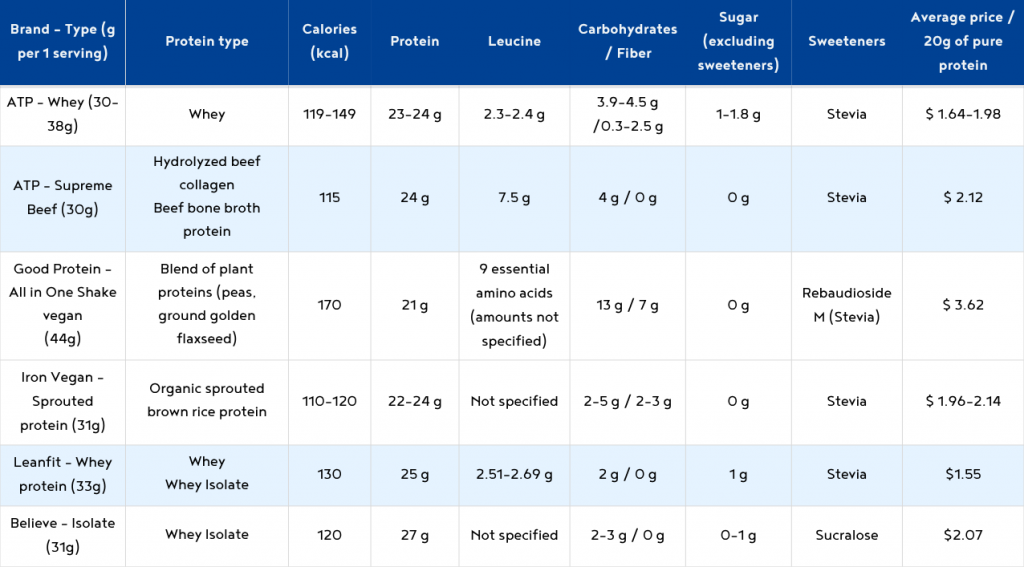
With such a wide variety of products available on the market, it can be hard to know where to start. Consulting a nutritionist can help you make an informed choice and find an option that suits your needs, your dietary preferences, and your lifestyle.
Book an appointment and let’s figure it all out together! 💪🏼
Are protein powders necessary? is a post from Nautilus Plus. The Nautilus Plus blog aims to help people in their journey to fitness through articles on training, nutrition, motivation, exercise and healthy recipes.
Copyright © Nautilus Plus 2026


Let's establish your nutritional goals together and get some expert advice!
Discover our nutrition services